
We sat down with leaders at Effingham Health System to talk about what it takes to modernize patient intake in a rural, critical access environment. In this Q&A, the team shares what registration looked like before Phreesia and the early results they’re seeing across collections, no-shows and patient feedback.
In just one month, they achieved results like a 55% increase in time-of-service collections, 89% patient self-check-in rate and a 91 NPS.
Effingham Health System participants: Matthew Moore (Chief Technology Innovation Officer), Joseph Tallent (IS Project Manager), Connie Lau (Executive Director, Physician Practices), Angela Garrett (Practice Manager)
The case for modern registration
Q: What prompted Effingham Health System to rethink registration?
Matthew Moore: We’re a 25-bed critical access hospital with multiple clinics and a growing community around us. Demand is rising, and we’re looking for ways to improve patient access and experience while helping our teams keep up—without adding more work at the front desk.
Q: What did registration look like before Phreesia?
Connie Lau: The entire registration process was on paper. Patients came in early, filled out paperwork with pen and paper, handed over insurance cards and photo IDs and staff manually scanned everything into the EHR. If we didn’t have insurance information beforehand, eligibility checks happened at check-in. Sometimes coverage came back inactive and then we couldn’t see the patient. It worked for some patients, but it was antiquated—and the younger generation doesn’t want paper.
Q: What changed first—and how fast did you feel it?
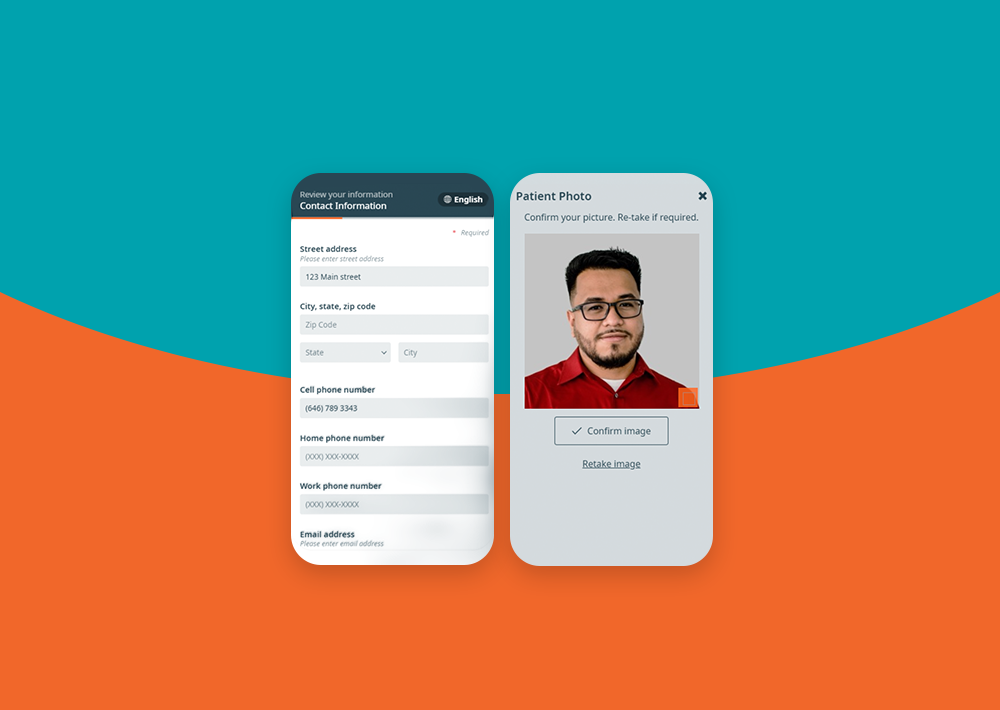
Connie Lau: We felt it immediately in check-in time and no-shows. Pre-registration turns a long, manual front-desk process into a quick check-in. They’re not spending 15 minutes scanning cards, paying copays and waiting on receipts; that time shifts to where it matters most: with the nurse and provider.
Joseph Tallent: The kiosk helped eliminate check-in bottlenecks by allowing patients who pre-registered to bypass the desk.
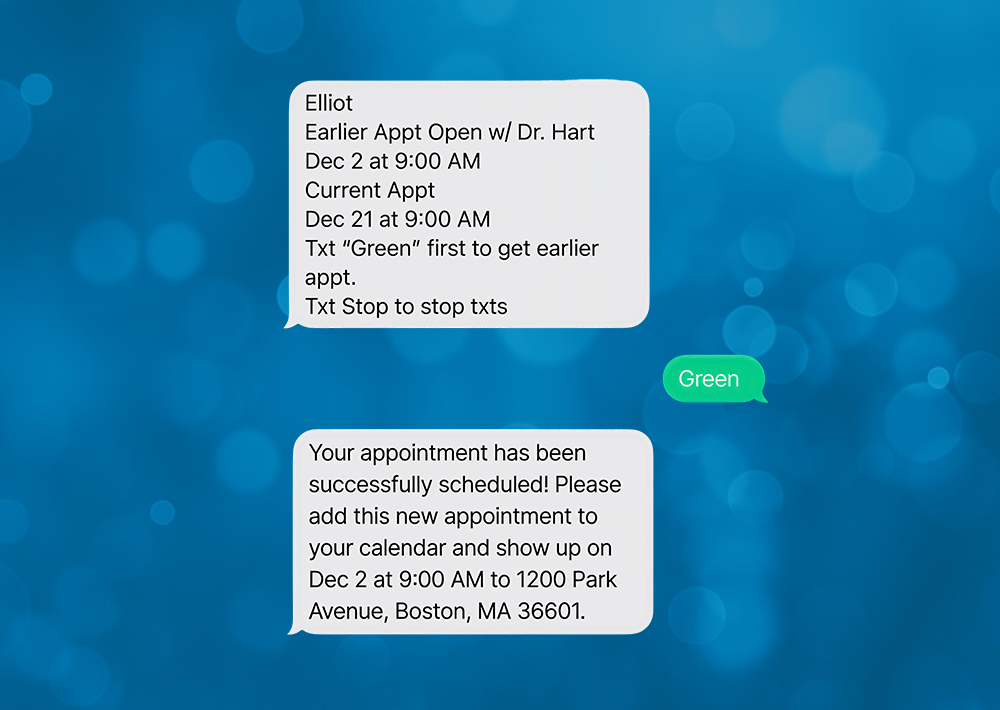
Angela Garrett: The text messaging piece has been huge. Being able to message patients alleviates call volume in the practices. And insurance is checked ahead of time and laid out clearly for staff—when you hover over balances, you can see what’s what. That’s been great feedback from the team.
Collections and payments: “Registration is revenue”
Q: Registration seems “operational,” but you all talk about it like it impacts everything. Why?
Matthew Moore: Because it does—registration is revenue. We saw a 55% increase in collections in January compared to last January. When you put good information in at the start, downstream workflows get easier—especially eligibility and claims. Phreesia surfaces copays and outstanding balances in a way that makes it easier for patients to pay—and we’re seeing balances clear sooner.
Financial results matter, but the bigger ROI is intangible: patients move through faster and our teams can focus on care instead of paperwork. All of that contributed to a 91 NPS last month, which is incredible.
Implementation and feedback: Making it work in real life
Q: How did you roll it out—and what made it work?
Matthew Moore: We started with physician practices first to get quick wins before expanding. It gave us the opportunity to optimize workflows, learn as we went and layer in tools, building a strong foundation before moving into additional settings.
Connie Lau: Initially, there was some hesitation from staff. What really made the difference was the support we got during go-live. The Phreesia team was on-site and could jump in to help at any practice at any time—it was amazing. Now staff would pick Phreesia any day over the old process. On the patient side, we’re seeing about 90% self-service utilization.
Joseph Tallent: A big part of our success came from the partnership with Phreesia. Together, we adjusted the build quickly. Not every visit type needed every step every time, so we tweaked workflows and logic—new patient vs. certain visit types, copay rules for nurse visits and so on—to keep the experience streamlined. As a result, we’re seeing almost 90% of patients check themselves in.
Q: What’s next for Effingham Health System with Phreesia?
Matthew Moore: We’re excited to roll to hospital outpatient. We want to keep growing with Phreesia—one platform that can scale with us. We see a path toward expanding into call automation with Phreesia VoiceAI as part of that growth.
Rethink registration
Talk to a Phreesia expert
Phreesia cannot accept any sensitive personal or health information. Please contact your healthcare provider directly.
Have questions about Phreesia? Click here for an FAQ about who we are, what we do and how we support healthcare organizations nationwide.