Featured
VoiceAI turns cancellation calls into scheduled appointments
What’s new: VoiceAI now detects when a patient calls to cancel and asks whether they’d prefer to reschedule instead. If open slots are available, VoiceAI handles the reschedule on the spot. If no slots are open, it offers to connect the caller to staff or take a message.
How this helps you: Every recovered appointment helps protect schedule capacity and revenue. By offering rescheduling at the moment a cancellation occurs, VoiceAI helps reduce gaps in your schedule without requiring staff intervention. Patients receive immediate assistance, while your team spends less time managing appointment changes.
Next Step: This feature is available by default for organizations with both VoiceAI Cancellations and Rescheduling enabled, including Athena, eClinicalWorks, Intergy, and NextGen.
AI now handles the full fax-to-appointment workflow
What’s new: Faxed Referral Transcription Automation now extends AI-powered extraction beyond patient demographics to include complete appointment request details, such as:
- Location
- Provider
- Reason for visit
- Scheduling urgency
- Scheduling preferences
- Insurance information
- Referring provider details
Staff can review and make adjustments before saving the referral request. This enhancement is automatically enabled for organizations already using fax-based referral automation.
How this helps you: Appointment requests are created faster, meaning faster outreach and sooner appointments for patients waiting on a referral. With more of the intake process handled on submission, less time passes between a fax arriving and a patient getting scheduled.
Early Access
Simplified, TCPA-compliant consent for text and voice communications
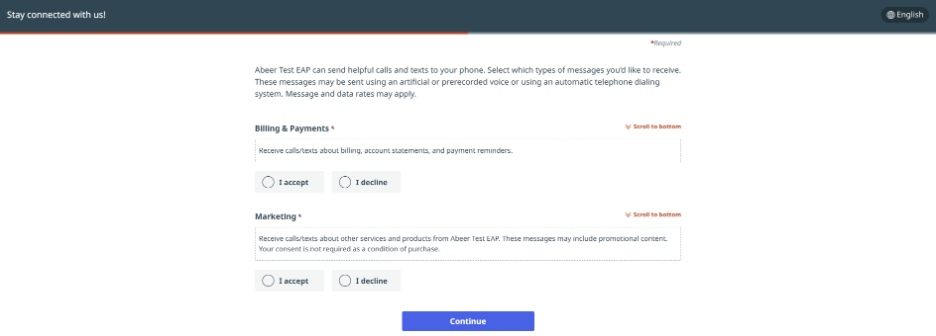
What’s new: A new consent management experience helps organizations standardize how they collect consent for text and voice communications. Patients see clear, easy-to-understand consent options available in English and Spanish. Organizations can also choose to collect consent specifically for payment-related communications without requiring combined payment and marketing consent.
How this helps you: Patients receive a clearer intake experience, and organizations gain greater flexibility in how consent is collected and maintained.
OnCall Updates
Providers control read and unread status directly in the mobile inbox
What’s new: OnCall providers can now mark messages as read or unread in the OnCall mobile inbox. Opening a message marks it read, and a swipe gesture allows providers to toggle that status at any time.
How this helps you: Organizations can now use VoiceAI during the day and OnCall after hours on the same phone line, without maintaining separate numbers or workflows.
Eligibility & Benefits
Enhanced Eligibility & Benefits editing experience now generally available
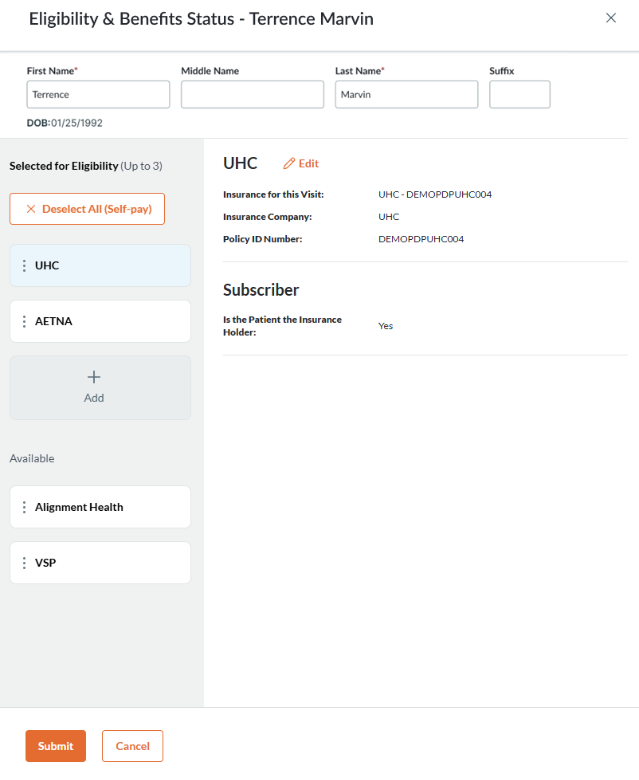
What’s new: The enhanced Eligibility & Benefits editing experience is now generally available for all organizations using Eligibility & Benefits. Updates include a continuous editing workflow within the E&B window, drag-and-drop insurance plan prioritization, and a one-click self-pay option.
How this helps you: Staff can manage insurance information more efficiently without navigating between screens. This streamlined workflow helps support faster check-in experiences and reduces administrative effort.
Next step: This enhancement is automatically available for organizations using Phreesia’s Eligibility and Benefits.
Copay predictions now account for age-based plan differences
What’s new: For insurance plans that have different copay amounts for adult and minor patients, copay predictions now automatically reflect the appropriate amount based on the patient’s age.
How this helps you: More accurate copay predictions help staff present the correct expected patient responsibility while reducing the need for manual verification.
Next step: This enhancement is automatically available for organizations using Phreesia’s Eligibility and Benefits.
More precise PCP copay predictions for WellMark Iowa patients
What’s new: Patients with Wellmark Iowa insurance who are seeing their designated primary care provider will now receive copay predictions based on their PCP copay rather than the standard provider rate.
How this helps you: Providing more accurate patient responsibility estimates helps reduce billing confusion and improves the financial experience at check-in.
Next step: This enhancement is automatically available for organizations using Phreesia’s Eligibility and Benefits.
Registration
Prevent duplicate self-scheduled appointments
What’s new: Organizations using self-scheduling can now configure rules that prevent patients from booking the same visit type multiple times within a defined time period. When a duplicate appointment attempt is detected, patients receive a message showing the date of their existing appointment and instructions to contact the office if assistance is needed.
How this helps you: Duplicate appointments can create unnecessary scheduling conflicts and reduce appointment availability. This enhancement helps keep schedules accurate while reducing staff effort spent identifying and canceling duplicate bookings.
Next step: This enhancement is currently available for organizations using eClinicalWorks self-scheduling.
Interested in learning more about self-scheduling? LEARN MORE
Virtual Visits thank you page now displays in patients’ preferred language
What’s new: The Virtual Visits thank you page now renders in the patient’s selected language, matching the multilingual experience available throughout the rest of the Virtual Visit workflow.
How this helps you: Patients who complete a Virtual Visit in their preferred language now see that experience through the final confirmation screen. A consistent language experience from start to finish supports the full range of patients your organization serves without any workflow changes for staff.
Next step: This enhancement will be available to all organizations with Virtual Visits and multi-language enabled.
Analytics
Appointment Confirmations Report now uses appointment date as the reporting reference
What’s new: The Appointment Confirmations Report now uses Appointment Date as its primary reporting reference. The report includes appointments scheduled up to two months in the past and up to three months in the future following the next report refresh.
How this helps you: Teams gain better visibility into upcoming appointments that require confirmation and outreach, helping ensure scheduled visits do not get overlooked.